
Removing and Preventing Hard Water Stains: Complete Guide for Minnesota Homes
Hard water stains are one of the most persistent challenges Minnesota homeowners face. These mineral deposits accumulate on windows, fixtures, and surfaces, creating a cloudy, aged appearance that's difficult to remove. This comprehensive guide covers both removal techniques and long-term prevention strategies to keep your home looking pristine.
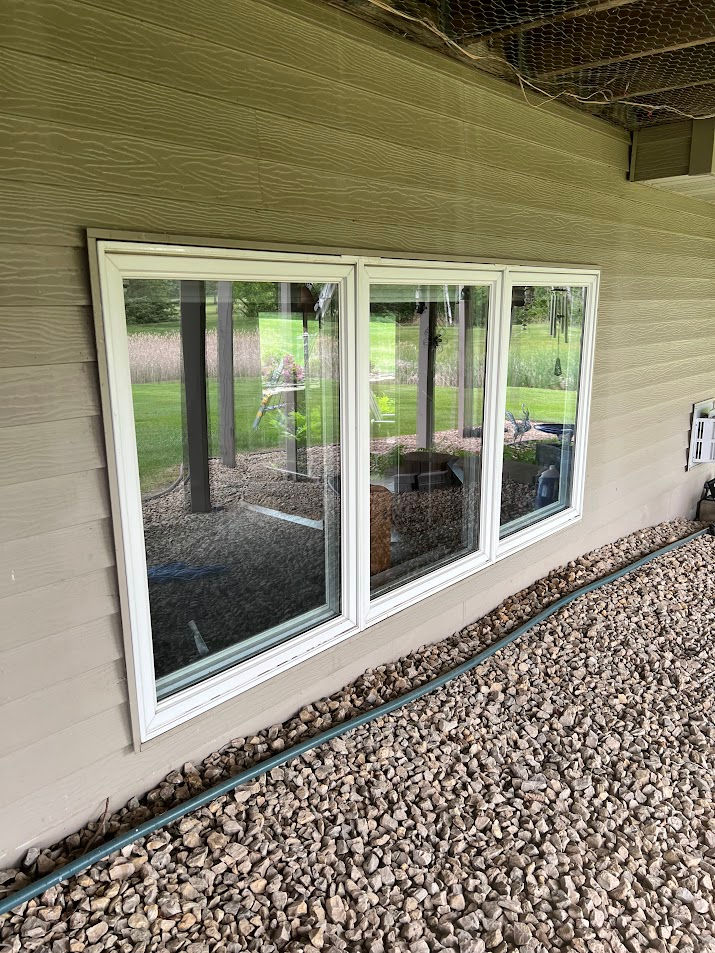
A close up of light hard water staining on an exterior window. Hard water staining on a Minnesota lake home window. Hard water staining on a suburban Minnesota window.
Understanding Hard Water Stains
Hard water stains form when water containing high levels of calcium and magnesium minerals dries on surfaces. As the water evaporates, these minerals are left behind as white, cloudy deposits. The longer these deposits sit, the more they bond to the glass or surface, making them increasingly difficult to remove.
Minnesota's naturally hard water (averaging 192 ppm or 4-5 grains per gallon) makes this a particularly common problem. Understanding the mineral composition of your water is the first step toward effective removal and prevention.
Proven Removal Methods
Vinegar-Based Solutions (Best for Mild Stains)
Vinegar is one of the safest and most effective DIY solutions:
Mix equal parts distilled white vinegar and water in a spray bottle.
Apply generously to stained areas.
Let sit for 10-15 minutes to allow the acid to dissolve minerals.
Scrub gently with a soft sponge or cloth.
Rinse thoroughly and dry completely.
Overnight Vinegar Soak (For Stubborn Stains)
For more stubborn deposits, try this extended treatment:
Soak paper towels in distilled white vinegar.
Apply to cover stains completely.
Leave for 1 hour or overnight for maximum effectiveness.
Scrub remnants and rinse thoroughly.
Baking Soda Paste (Gentle Abrasive Method)
For surfaces that can tolerate gentle abrasion:
Mix baking soda with water to create a thick paste.
Apply to stained areas.
Let sit for a few minutes.
Scrub gently and rinse thoroughly.
Commercial Calcium Removers (For Heavy Deposits)
Products like CLR, or certain toilet bowl cleaners work well for severe staining:
Always wear gloves, a respirator and follow product instructions carefully.
Apply directly to a scrub pad.
Cover the window and let sit as directed.
Scrub thoroughly and rinse immediately.
Prevention Strategies
Immediate Drying
The most effective prevention is immediate drying. After rain or watering, wipe windows and surfaces dry to prevent mineral deposits from forming.
Regular Cleaning Schedule
Clean windows regularly with microfiber cloths and soapy water. This stops buildup before it becomes a problem and makes cleaning easier.
Protective Coatings
Apply protective glass coatings that repel minerals and make future cleaning easier. These coatings create a barrier that prevents mineral adhesion.
Water Softening
Install a whole-home water softener to reduce mineral content in your water supply. This prevents stains at the source and protects all your fixtures and appliances.
Use Distilled Water for Rinsing
When cleaning windows, use distilled water for the final rinse instead of tap water. This prevents new mineral deposits from forming.
Professional Hard Water Stain Removal
For stubborn stains or regular maintenance, Glass House Window Cleaning & Seasonal Services offers professional hard water stain removal. Our team has the expertise and specialized equipment to safely remove even the toughest mineral deposits without damaging your glass. We can also apply protective treatments to help prevent future staining.
Create a Maintenance Plan
The best approach combines regular professional cleaning with preventive measures. A maintenance plan tailored to Minnesota's hard water conditions ensures your windows stay crystal clear year-round.
Get Professional Help Today
Don't struggle with hard water stains. Contact Glass House Window Cleaning & Seasonal Services for professional removal and prevention strategies. Call (612) 294-8796 or visit https://www.glasshousewc.com/get-your-quote for a free estimate. Our fully insured team (up to $2M coverage) is ready to restore your windows to crystal clarity.



Comments